Activewear
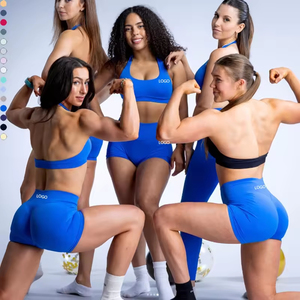

Explore our factory-engineered moisture management garments, calibrated for athletic agility, mechanical moisture transfer, and extreme durability under international compliance standards.
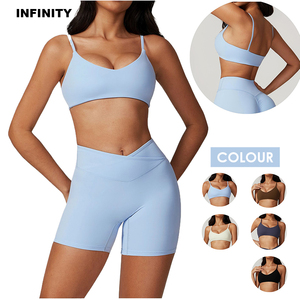
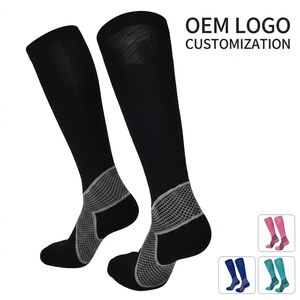
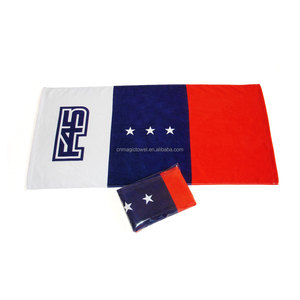
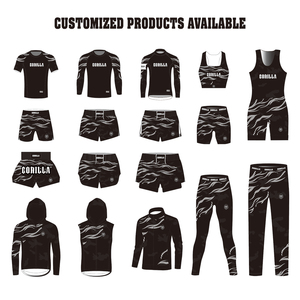
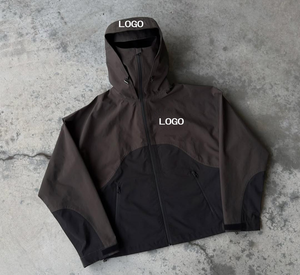
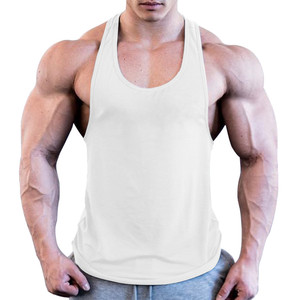
Moisture management in performance textiles is governed by interfacial tension, capillary force, and evaporative mass transfer. For technical activewear brands, collegiate athletics, and corporate workwear operating within the European Economic Area (EEA), certifying moisture-wicking tees under relevant CE Directives (such as Regulation (EU) 2016/425 for protective workwear and EN ISO 13688 standards) requires precise balance between thermal protection, physiological breathability, and non-toxic skin contact.
Standard polyester garments often rely on topical silicone or hydrophilic surfactants that disintegrate within 15 to 20 commercial laundry cycles. As an engineering-first manufacturer based in the industrial textile epicenter of Sialkot, Pakistan, our approach addresses permanent mechanical wicking. By spinning hollow-core cross-section filaments (such as cross-shaped Coolmax-type or trilobal polyester fibers), we manipulate Laplace capillary pressure. This enables sweat droplet dispersion over a 400% wider surface area, reducing evaporative latency and maintaining athlete core thermoregulation under high metabolic stress.
Utilizing multi-denier gradient yarns where inner filament micro-grooves are narrower than outer surface pores, establishing a unidirectional hydrostatic pump that draws moisture away from the stratum corneum.
Engineered fabric porosities exceed 180 l/m²/s under ISO 9237 air permeability metrics, expediting vapor conversion and mitigating thermal insulation spikes during high-output exercise regimes.
Fabrics are verified skin-neutral, chemically audited under REACH Annex XVII, free from forbidden azo colorants, and certified for dimensional stability under repeated industrial laundering cycles.
When global sourcing directors evaluate OEM candidates, technical transparency is critical. The following matrix illustrates the performance specifications achieved by our specialized moisture-wicking and activewear tees, measured using standardized American (AATCC) and European (EN ISO) textile laboratory methods.
| Evaluation Parameter | Test Standard / Protocol | Commercial Benchmark | Factory Baseline Specification | Compliance Status |
|---|---|---|---|---|
| Liquid Moisture Management (OMMC) | AATCC 195 / ISO 13029 | Overall Grade 3.0 | Overall Grade 4.5+ (Fast Absorbing / Quick Dry) | Certified Pass |
| Vertical Wicking Velocity | AATCC 197 / DIN 53924 | > 100 mm in 30 minutes | 160 mm in 30 minutes (Warp & Weft) | Superior |
| Evaporation Rate (Drying Time) | ISO 17617 / ASTM D4966 | < 0.15 g/h dry-off | 0.38 g/h (Complete surface dry in 18 min) | Grade 5 Compliant |
| Air Permeability | EN ISO 9237 (100 Pa) | 120 - 150 L/m²/s | 195 L/m²/s (Enhanced micro-mesh knits) | High Airflow |
| Colorfastness to Perspiration | EN ISO 105-E04 | Grade 3-4 (Acid/Alkaline) | Grade 4-5 (Zero cross-staining observed) | CE Audited |
| Abrasion & Bursting Strength | ISO 13938-2 (Pneumatic) | > 250 kPa | > 420 kPa (Interlock structural knit) | Heavy-Duty |
The international athletic apparel procurement paradigm is shifting from pure low-cost transactional purchasing to value-accretive, eco-engineered, and traceable supply architectures. Forward-looking sportswear brands, gym equipment franchises, and industrial team wear buyers must orient their supply chains toward four pivotal macro trends:
Post-consumer recycled polyethylene terephthalate (rPET) derived from oceanic and municipal waste is replacing virgin fossil polymers, cutting carbon footprints by 65% while retaining micro-denier capillary integrity.
Impending European Union textile regulations mandate comprehensive supply chain traceability from raw pellet processing to dye chemistry. Brands must partner with manufacturers capable of itemized fiber origin documentation.
Next-generation moisture-wicking tees integrate micro-encapsulated phase change materials (PCMs) and graphene hexagonal lattices directly into extruded yarns, providing active thermoregulation alongside physical wicking channels.
Furthermore, agile procurement strategies have rendered massive 5,000-piece production commitments obsolete. Leading high-growth apparel startups and corporate buyers demand flexible production runs starting at 20 pieces per style to stress-test regional retail markets before scaling to 50,000-unit distribution cycles.
Headquartered in Sialkot, Pakistan—the premier global manufacturing cluster responsible for over 40% of the world's high-performance hand-stitched and thermally bonded athletic gear—ALEZ Industry operates an agile, direct-to-brand production floor eliminating middlemen, agent overheads, and fragmented communication loops.
From pre-production sample fabrication to comprehensive grading, CAD marker generation, Japanese embroidery machinery, digital wide-format sublimation printers, and rigorous piece-by-piece QC inspections, our infrastructure guarantees that your approved physical sample is identical to the 10,000th unit packed into your custom-branded polybag.
Essential technical, contractual, and logistics answers for activewear brands, merchandise distributors, and sourcing directors.
CE compliance in technical apparel depends on the intended end-use classification. For protective active workwear, garments must satisfy EN ISO 13688 (general performance requirements for ergonomics, innocuousness, size designation, and aging). Fabrics must pass rigorous testing verifying pH neutrality, zero presence of carcinogenic aromatic amines (REACH compliant), and certified skin non-sensitization, backed by documented technical dossiers.
Topical wicking finishes coat traditional circular fibers with hydrophilic polymers that wash out within 15–20 domestic wash cycles, causing dramatic loss of breathability. Mechanical wicking relies on fiber cross-sections (cruciform, trilobal, or multichannel extruded micro-filaments) and dual-layer knitting structures that physically draw sweat through micro-capillaries permanently, providing performance that lasts for the life of the garment.
We operate a strict sample-first policy. Following tech-pack consultation and digital mock-up sign-off, our prototyping cell cuts, stitches, and brands a physical sample using specified yardage, Pantone-matched inks, and custom trims. Bulk fabric knitting and cutting commence only after you inspect, evaluate fit, wash-test, and sign off on the sample.
Yes. We deliver turnkey private label packaging. Capabilities include heat-transfer tagless neck branding, high-density woven damask labels, FSC-certified hangtags, scannable EAN/UPC barcoded stickers, and bio-degradable or frosted zipper polybags customized with your brand insignia.
For endurance running and high-intensity interval training, we engineer ultra-lightweight 130–145 GSM micro-interlock knits that maximize vapor permeation. For general gym training, martial arts base layers, and collegiate wear, 160–180 GSM provides enhanced structural drape, opacity, and abrasion resistance while maintaining rapid dry-rates.
Commercial orders are structured with a 70% advance payment to trigger raw material allocation and sampling, with the remaining 30% plus shipping reconciled upon photographic QC approval prior to dispatch. We support SWIFT Wire Transfers, Payoneer, Wise, and PayPal. Freight is routed via DHL/FedEx Express, Air Cargo, or Sea Freight under Incoterms (EXW, FOB, or DDP).
Initiate a direct line to our technical apparel team in Sialkot, Pakistan. Share your design files, tech packs, or target specifications for an itemized commercial quotation within 24 hours.
Inquire Now