OEM Set
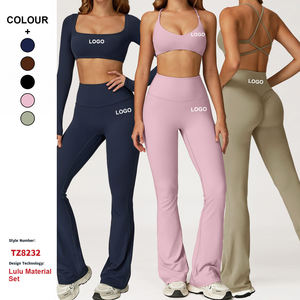

Direct-from-manufacturer thermal regulation garments, compression tops, seamless bottoms, and performance fleece knit lines built to international export specifications.
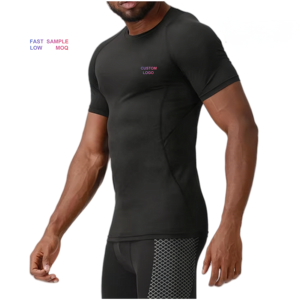
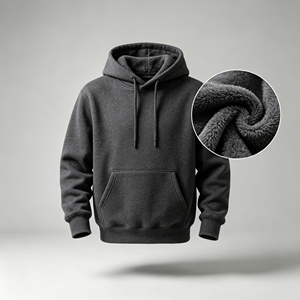
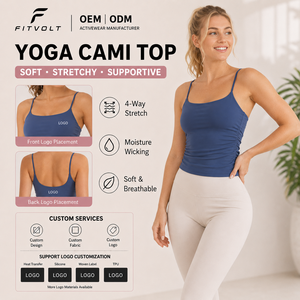
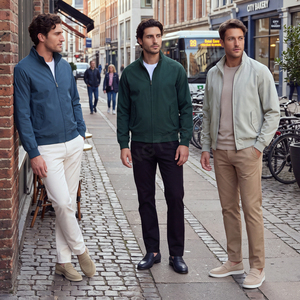
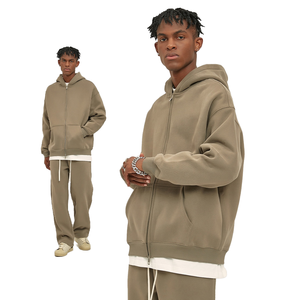
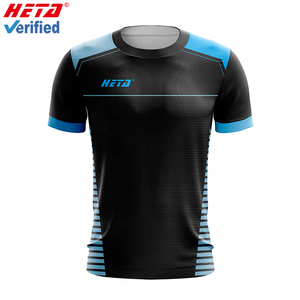
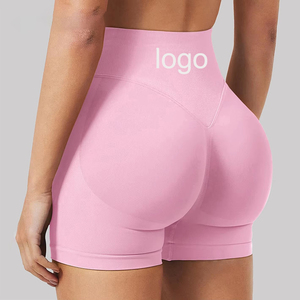
Modern thermal management demands a departure from standard synthetic textiles. Next-generation base layers operate not as simple clothing, but as kinetic microclimate control systems. By managing moisture vapor transfer, conductive heat loss, and localized blood perfusion simultaneously, industrial-grade base layers safeguard metabolic energy conservation across sub-zero mountaineering, elite athletic training, and heavy-duty tactical situations.
As a leading Chinese technical textile exporter, we employ zoned capillary-action warp and weft constructions. Utilizing hydrophobic polyamide interiors paired with hydrophilic modified polyester exterior matrices, our base garments achieve an instantaneous siphon effect—accelerating wetness evacuation away from the dermal surface without causing evaporative skin chill.
Procurement directors must distinguish between sheer bulk heat trapping and dynamic gradient compression. Our manufacturing facilities combine Santoni seamless multi-gauge circular knitting machines with calibrated elastane filament wrapping. This allows variable denier tension: 18–22 mmHg graduated pressure at peripheral muscular junctions for lactate displacement, coupled with micro-brushed lofted loop channels across spinal and lumbar segments for dead-air heat entrapment.
Every batch shipped undergoes rigorous abrasion resistance tests (Martindale > 40,000 cycles) and thermal impedance profiling (ISO 11092 / ASTM F1868), verifying that commercial clients acquire retail-ready gear delivering empirical physiological advantages.
A benchmark analysis of industrial substrate formulations deployed across high-tier wholesale export runs.
| Substrate Configuration | Grammage (GSM) | Capillary Evacuation Speed | Thermal Retention (Rct m²K/W) | Primary Industrial Use-Case |
|---|---|---|---|---|
| Bicomponent Merino/Recycled Poly Blend | 190–240 GSM | High (Vapor Phase Siphon) | 0.082 (Optimal Alpine Insulation) | Mountaineering, Snow Sports, Extreme Expedition |
| Polyamide 6.6 with Interlocking Elastane | 160–210 GSM | Ultra-Rapid (Hydrophobic Skin Contact) | 0.032 (Aerobic Kinetic Stability) | High-Cadence Running, Gym Performance, Military Cross-Training |
| Graphene-Infused Honeycomb Grid Fleece | 260–320 GSM | Moderate (Phase Shift Dispersion) | 0.115 (Far-Infrared Conductive Shield) | Tactical Outer-Base, Cold-Weather Workwear, Winter Field Kits |
| Seamless Hollow-Core Microfiber | 140–180 GSM | Instantaneous Surface Diffusion | 0.045 (Trapped Micro-Pore Air) | Endurance Cycling, High-Movement Team Sports, Multi-Season Layer |
Actionable intelligence for retail product directors, sporting conglomerate supply chain leads, and tactical inventory allocators.
European and North American legislative frameworks (EU Ecodesign/EPR mandates) are driving the shift to single-polymer garments. Future base layer contracts prioritize 100% rPET or single-origin bio-based Nylon (Polyamide 56) with mechanical stretch substitution, eliminating chemical elastane degradation barriers to streamline post-consumer depolymerization.
Traditional silver-ion topical coatings face increasing regulatory scrutiny for wash-off toxicity. Sourcing models now pivot toward permanent yarn-level modifications: intrinsic active-carbon filaments, zeolite molecular cages, and zinc-embedded extruded polymers that neutralize volatile fatty acids without environmental rinse-off leakage.
Rising cut-and-sew labor tariffs push bulk supply towards multi-needle Santoni computerized knitting. By producing tubular, pre-shaped garments directly off the machine, material scrap dropped from 22% in classic cut-sew patterns down to under 2.5%, insulating volume brand margins against rising volatile freight overheads.
Combining vertically integrated Chinese yarn processing with world-class quality verification protocols.
From initial high-filament DTY (Drawn Textured Yarn) extrusion, warping, and circular flat knitting to low-temperature digital dispersion and sublimation dyeing, our integrated China-based manufacturing plants maintain uninterrupted custody of raw inputs. This mitigates mid-run dyelot variances and ensures continuous component traceability.
Every industrial production order undergoes our structured 4-tier QA protocol: (1) In-feed spectrophotometric yarn evaluation (CIE L*a*b* tolerance ΔE < 0.8), (2) Inline tension monitoring across high-speed flatlock machines, (3) Hydrostatic head and wicking rate bench checks, and (4) Pre-dispatch AQL 1.5/4.0 standard packaging audits.
Understanding the dynamic operational requirements of emerging disruptor brands alongside established multi-door retail accounts, our manufacturing framework supports scaled entry points. We accommodate customized sampling runs with fully custom private labeling, backed by capacity scaling over 250,000 thermal and compression units monthly.
Essential operational and technical clarifications addressing minimum order volumes, material engineering, and containerized dispatch.
Our standard production baseline for completely customized cut-and-sew base garments starts from 300 to 500 pieces per colorway/style, accommodating multiple sizes. For seamless circular-knit models requiring dedicated machine program changes, minimums scale to 1,000 units depending on yarn composition and structural complexity.
We deploy dedicated 4-needle, 6-thread flatlock stitch engines (ISO 607) that create an ultra-low profile, interlocking seam structure. Seam burst strengths match or exceed surrounding fabric elasticity without introducing rigid dermal contact points. Additionally, we provide ultrasonic bonded and seam-free heat-welded tape configurations for premium product segments.
Yes. Utilizing spectrophotometer-guided lab dip formulations, we deliver exact Pantone TPX/TCX matching with a standard tolerance of ΔE ≤ 0.8. All base layer textiles meet ISO 105-C06 standard 4–5 grade wash fastness and ISO 105-E04 perspiration fastness under demanding operational scenarios.
Initial technical prototype development, size set grading, and functional fit samples are delivered in 7 to 10 working days upon vector tech pack approval. Following physical pre-production sample confirmation, standard bulk container production takes 25 to 35 calendar days depending on seasonal pipeline density.
Our textile inputs comply strictly with OEKO-TEX Standard 100 Class I, REACH Appendix XVII chemical restrictions, and CPSIA requirements. Recycled polyester lines include certified GRS (Global Recycled Standard) Transaction Certificates, guaranteeing audit-ready consumer-label traceability.
Yes. We execute fully customized private-label solutions including tagless silicone heat-transfer neck prints, branded continuous elastic jacquard waistbands, custom hangtags with micro-perforated barcodes, fully compostable PLA polybags, and retail-ready carton consolidation.
Connect directly with our senior textile manufacturing team in China. Review fabric swatch libraries, request custom lab dips, and receive formal factory costing quotes within 24 business hours.
Send an Inquiry