
Explore benchmark products engineered with multi-filament elastane fibers, high-tenacity tension recovery, and bespoke brand customization.
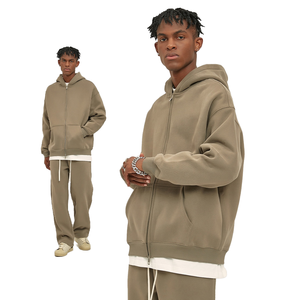
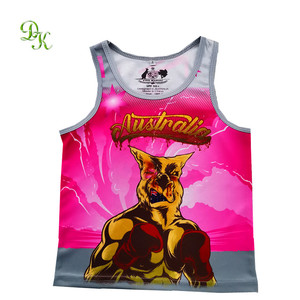
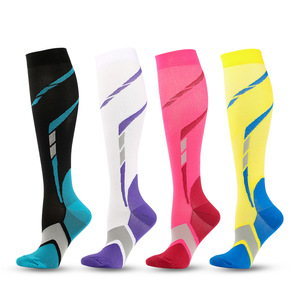
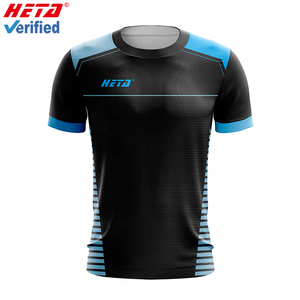
In modern combat sports (Brazilian Jiu-Jitsu, MMA, Submission Grappling) and aquatic performance sectors (Surfing, Foil Boarding, Open Water Triathlons), a custom rash guard is fundamentally different from standard casual activewear. It operates as an advanced biomechanical second skin. Professional procurement teams require precise textile parameters to ensure that garments resist extreme shear stresses, provide kinetic vascular compression, safeguard dermis integrity against tatami mat burns, and block ultraviolet radiation during prolonged marine exposure.
At ALEZ Industry, based in the manufacturing capital of Sialkot, Pakistan, our OEM/ODM custom rash guard division engineers garments from the filament level up. By pairing high-gauge warp and circular knitting with robotic computerized tensioning, we eliminate the structural failures common to low-grade synthetic wear—such as seam rupture under heel hooks, white elastane grin-through during deep stretch, and premature elastomeric degradation from chlorine and saltwater exposure.
The choice of polymer substrate dictates tensile resilience, moisture vapor transmission rates (MVTR), and print fidelity:
Polyester / Spandex (82/18 to 88/12 - 200 to 260 GSM): This formulation represents the global standard for mixed martial arts and BJJ academies requiring vibrant, complex multi-color designs. Polyester filaments provide superior affinity for disperse dyes during gas-phase dye sublimation. When exposed to heat up to 200°C under calibrated hydraulic roller pressure, the dye molecules crosslink within the hydrophobic polyester fibers, yielding lifelong wash-fastness (ISO 105-C06 Class 4-5) that will never crack, peel, or flake under intense sparring friction.
Nylon (Polyamide 6.6) / Elastane (80/20 to 75/25 - 220 to 280 GSM): Polyamide structures deliver unmatched mechanical abrasion resistance and a remarkably soft, cool-touch hand feel. Nylon absorbs less friction heat, making it the premier choice for premium surfwear, spearfishing base layers, and IBJJF-approved no-gi ranked rash guards. While nylon requires acid dye sublimation or specialized pigment dispersion techniques, its bursting strength (ASTM D3786) exceeds that of standard polyester by over 34%, ensuring total integrity against abrasive kimono weaves.
| Technical Parameter | Standard Gym Wear | ALEZ Pro-BJJ Compression | ALEZ Pro-Marine Rash Guard | Testing Standard |
|---|---|---|---|---|
| Fabric Density | 140 - 180 GSM | 230 - 260 GSM Heavyweight | 200 - 240 GSM Midweight | ASTM D3776 |
| Yarn Composition | 100% Poly or 95/5 Poly/Spandex | 84% Polyester / 16% Spandex | 80% Nylon 6.6 / 20% Elastane | AATCC 20A |
| Seam Construction | Overlock 3/4 Thread | 6-Needle Flatlock + Interlock | Flatlock + Bonded Clean Finish | ISO 4915 #607 |
| Tensile Yield (Warp x Weft) | < 350 N x 280 N | > 780 N x 690 N | > 850 N x 720 N | ISO 13934-1 |
| UV Protection Factor | UPF 15 to 25 | UPF 50+ (UV-A / UV-B Block) | UPF 50+ (Wet & Dry Tested) | AS/NZS 4399 |
| Colorfastness to Rubbing | Grade 3.0 Dry / 2.5 Wet | Grade 4.5 Dry / 4.0 Wet | Grade 5.0 Dry / 4.5 Wet | ISO 105-X12 |
| Waistband Gripper | Standard Folded Hem | Anti-Ride Injected Silicone Gel | Ergonomic Elastic Hem Cord | In-House Stress Tested |
A common failure mode in custom rash guards is dermal chafing caused by bulky, protruding interior seam margins. Standard four-thread overlock seams create abrasive ridges that irritate the athlete's shoulders, lats, and trapezius muscles under grappling pressure.
Our Sialkot manufacturing floor uses dedicated Yamato and Siruba 6-needle, 4-thread flat-seamer machinery (ISO 4915 stitch type 607). This automated industrial sewing technique butt-joins the raw fabric edges seamlessly without overlap, producing a completely flush, zero-friction seam on both interior and exterior faces. Thread tension is electronically regulated with high-tenacity texturized polyester and woolly nylon filament threads, guaranteeing over 120% elongation recovery that matches the natural kinetic range of movement of the thoracic cage and glenohumeral joint during explosive arm drags or paddling strokes.
Fit engineering determines whether an athletic rash guard shifts upward during combat sports. ALEZ Industry patterns utilize an Anatomical Raglan Sleeve design extending diagonally from the collarbone down to the underarm. By integrating continuous multi-directional underarm gussets (breathable micro-eyelet stretch panels), we eliminate the standard perpendicular seam intersection that digs into the armpit. This architecture accommodates intense rotational shoulder movements while anchoring the torso panels down, preventing the hem from riding up above the beltline.
Direct from our self-owned manufacturing facility in Sialkot, Pakistan. We eliminate middlemen markups while delivering rapid prototypes and reliable mass production.
Sialkot produces over 70% of global hand-stitched sports goods and high-performance martial arts uniforms. Our facility is situated within this dense supply cluster, allowing rapid access to certified raw textile mills, custom trims, and skilled technical craftspeople within minutes.
You work directly with our in-house pattern makers, sublimation colorists, and stitching line managers. Transparent costing, faster sample-to-bulk signoffs, and complete accountability eliminate third-party miscommunication and unnecessary retail markups.
Test new collections, seasonal drops, or academy ranks with our industry-leading low minimum order quantity of just 20 pieces per design. Seamlessly scale into production runs of 2,000 to 20,000+ pieces without changing manufacturing lines or quality standards.
Orders under 1,000 pieces are cut, sublimated, assembled, inspected, and packed in 7 to 10 working days following pre-production sample signoff. Urgent tournament deadlines and restock orders receive dedicated rapid-response sewing lines.
Every rash guard undergoes strict four-point inspection: digital CAD measurement tolerance verification (+/- 0.5 cm), tension recovery seam checks, color-fastness scrub testing, and trim attachment inspection prior to hermetic polybag packing.
Direct air-express couriers (DHL, FedEx, UPS) and commercial air/sea freight channels with customs handling shipped to over 30 countries across the United States, United Kingdom, European Union, Australia, United Arab Emirates, and Japan.
B2B apparel procurement is undergoing a major technological transformation. Brand founders, inventory managers, and institutional athletic buyers must align their supply chains with shifting consumer expectations, strict environmental regulations, and advanced material innovations. Below are key trends reshaping the rash guard manufacturing landscape through 2030:
European and North American regulatory frameworks—including the EU Strategy for Sustainable and Circular Textiles and the Corporate Sustainability Due Diligence Directive (CSDDD)—are driving procurement toward certified circular inputs. The market is shifting from virgin fossil-based polyesters to post-consumer GRS-certified recycled polyester (rPET) derived from marine plastic and bottle flakes, as well as ECONYL® regenerated nylon made from reclaimed fishing nets.
At ALEZ Industry, our recycled performance fabrics match virgin filaments in tensile strength, elongation recovery, and dye saturation. Our closed-loop dye sublimation uses water-free heat transfer paper with OEKO-TEX Eco-Passport certified disperse inks, ensuring zero toxic wastewater discharge and zero phthalate contamination.
Combat rash guards operate in warm, humid microclimates prone to bacterial colonization, staph (MRSA), ringworm, and microbial odors. Historic antimicrobial topical wash coatings typically wash out after 15 to 20 cycles, degrading into local wastewater systems.
The future of combat sportswear lies in inherent yarn-level antimicrobial technologies. By compounding silver-ion nano-particles, natural chitosan bio-polymers, or zinc pyrithione directly into the liquid masterbatch prior to synthetic extrusion, the finished fabric retains permanent antimicrobial resistance (AATCC 100 test method >99.9% bacterial reduction) across 100+ industrial wash cycles.
Physical sample iterations add weeks to lead times and generate material waste. Forward-thinking private labels are adopting 3D virtual prototyping via Clo3D and Optitex. ALEZ Industry offers digital 3D garment rendering, projecting custom client vector artwork onto anatomically accurate avatars. This allows buyers to verify logo placement, raglan seam curvature, and stretch gradients before cutting the first physical pattern, shortening product development cycles from six weeks to under 72 hours.
Supply chain volatility has exposed the risks of rigid, high-MOQ manufacturing models. Global brands are moving toward "Dynamic Micro-Batch Sourcing": placing smaller initial pilot orders (50-200 units) to test market demand across size curves, backed by rapid factory commitments for 7-day restocking runs. Our 20-piece entry MOQ paired with high-volume assembly lines provides brands with a resilient, agile supply chain that limits deadstock risk while maximizing operating cash flow.
Practical answers to key questions asked by apparel sourcing executives, gym owners, and brand managers.
Partner directly with our Sialkot manufacturing engineers. Send us your tech packs, vector design files, or target specifications. We will deliver a fully transparent cost breakdown, fabric recommendations, and sample scheduling within 24 hours.