
Engineering professional triathlon garments requires balancing three distinct biomechanical environments: low hydrodynamic friction in open water, targeted ischial pressure redistribution across aerodynamic cycling cadences, and zero-abrasion thermoregulated mobility through long-distance foot races. As a dedicated OEM & ODM export manufacturer, we bridge advanced textile development with rapid agile production batches starting from low barrier MOQs.
Factory-direct technical apparel engineered on dedicated flatlock assembly lines for extreme endurance conditions.
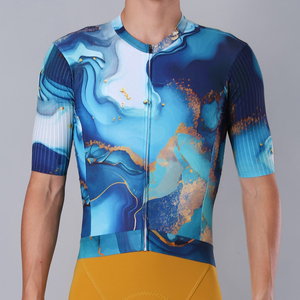
Sublimation lightweight polyester engineered with micro-porous filament matrices and UV50+ solar deflection shields.
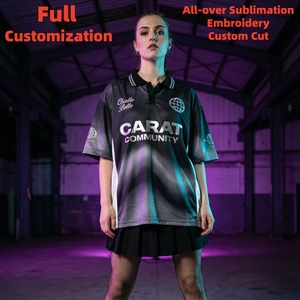
Breathable, eco-friendly quick-dry fabrications engineered for dynamic club identification and vibrant, non-fading pantone accuracy.
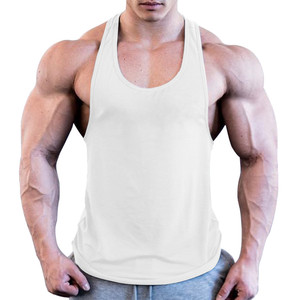
Deep cut Y-back scapular clearance optimized for uninhibited lat activation, high breathability, and reinforced binding.
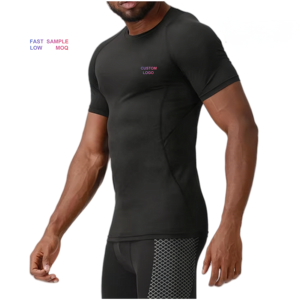
Graduated core compression that mitigates muscle oscillation, accelerates lactic dispersal, and prevents subcutaneous chaffing.
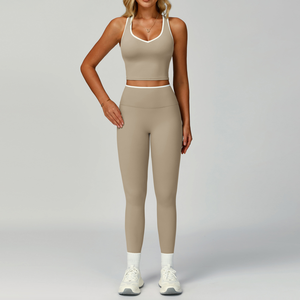
Four-way stretch interlock nylon-spandex blend delivering high-opacity squat tests, elastic recovery, and contoured shaping.
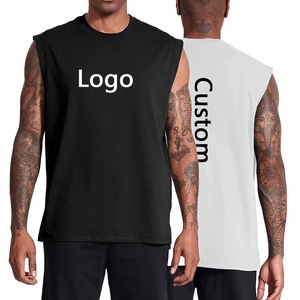
Mid-weight 190 GSM ring-spun hydro-wicking knit tailored with multi-needle flatlock hems for high abrasion resistance.
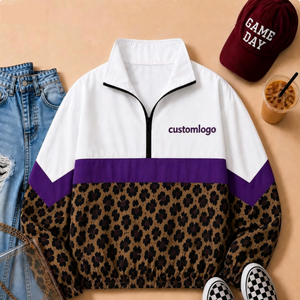
Ultralight ripstop weather shell protecting core temperatures before swim waves and post-race cooldowns.
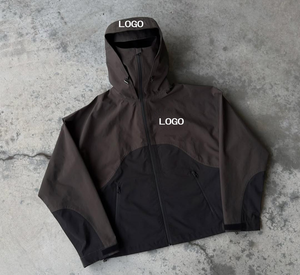
Micro-welded seam taped nylon with 10k hydro-repellent ratings designed for transition area element resistance.
Unlike standalone cycling apparel or pure swimming tech-suits, a custom triathlon suit operates under continuous functional conflict: it must dry rapidly without absorbing water, provide saddle cushion without creating a bulky diaper effect on the run, and maintain posture-assisting compression without restricting lung capacity.
Every tri suit begins in open water. Fabrics treated with C0 eco-conscious Fluorocarbon-free Durable Water Repellent (DWR) surface tension modifications cause water droplets to bead up instantly rather than penetrating into the yarn weave.
This prevents waterlogged saturation, slashing the garment's hydrodynamic drag coefficient during non-wetsuit legal races while saving crucial grams as athletes exit the water into Transition 1 (T1).
Traditional road cycling pads fail in triathlon because their open-cell polyurethane foam absorbs water like a sponge and creates crippling inner-thigh friction during the marathon segment.
Our custom tri suits integrate ultra-thin 3mm to 6mm high-density perforated Italian foam chamois with zero-absorb reticulated cell technology. This ensures critical perineal sit-bone blood flow on aero aerobars while allowing immediate moisture evacuation the moment the run begins.
Eighty percent of cycling aerodynamic drag originates from the human rider's body rather than the bicycle frame. We incorporate textured dimple fabric and channel ribbing across the shoulders and upper sleeves.
These engineered micro-textures trip laminar airflow into a low-drag turbulent boundary layer, significantly delaying surface air detachment and saving 12 to 18 watts at competitive cruising speeds above 40 km/h.
| Performance Metric | Standard Commercial Cycling Kits | Factory-Engineered Custom Tri Suits |
|---|---|---|
| Fabric Composition | Standard circular polyester (220-250 GSM), slow dry cycle | High-gauge warp knit Nylon-Lycra (130-180 GSM) with low water affinity |
| Pad Thickness & Absorption | 12mm-16mm thick gel/foam; retains up to 120ml water | 3mm-6mm hydrophobic micro-perforated pad; <10ml water uptake |
| Seaming Technology | Standard overlock / 3-needle safety seams (chafing hazard) | Ultrasonic welded flat-bonded seams or 4-needle 6-thread low profile |
| Aerodynamic Channeling | Passive smooth torso surface, high separation turbulence | Shoulder-dimpled aero matrices tripped for high-speed drag drop |
| Transition Suitability | Requires complete outfit change across disciplines | Single continuous garment optimized for swim, cycle, and marathon run |
B2B buyers, private label brands, and race directors are facing evolving supply chain paradigms driven by biological sustainability, race regulations, and performance analytics.
Global endurance events are rapidly setting stringent environmental criteria. Corporate athletic brands are abandoning virgin petroleum synthetics in favor of certified regenerated post-consumer polyamide (such as recycled ocean fishing nets and rPET yarn).
Our dyeing mills combine GRS-certified recycled filaments with low-temperature disperse dyestuffs, ensuring vibrant sublimated team kits that meet demanding European carbon border standards without losing structural tensile elasticity.
The standard multi-thread stitch is rapidly being phased out in championship-tier suites. Ultrasonic soundwave welding bonds elastomeric textile edges together with reactive adhesive films.
This yields a seam that is 100% skin-flat, water-impermeable, and 14% lighter than traditional flatlock construction, completely eliminating skin abrasion over full-distance 226km Iron-distance races.
Modern athletes manage core temperature and hydration via real-time telemetry. Emerging procurement trends demand custom laser-cut inner pockets engineered explicitly to house continuous glucose monitors (CGM), core body temperature probes, and flat ice hydration packs along the spine.
Additionally, cold-black textile surface coatings now reflect 80% of heat rays on dark suits, keeping athletes cool under open-sun racing conditions.
By operating our own integrated production lines, cutting rooms, and sublimation departments, we eliminate trading company markups, broker delays, and ambiguous QC handoffs.
Traditional OEM garment factories mandate 500 to 1,000 pieces per design, freezing your working capital. We believe emerging brands deserve lean validation agility.
Our lean manufacturing cell allows sports labels, boutique triathlon clubs, and corporate event teams to launch comprehensive size curves starting at just 20 units per design, scaling seamlessly into five-figure mass bulk runs.
We do not produce bulk goods based on assumptions. Your order is preceded by an exact physical pre-production prototype.
Once your testing athletes approve fit, compression balance, pad positioning, and color fastness, that golden sample is logged on the factory floor. Every bulk unit is checked piece-by-piece against these exact tolerances prior to polybag dispatch.
Avoid missing critical competition calendars. While overseas supply chains often quote 60 to 90 days, our integrated digital sublimation print house and in-house laser pattern cutting operate around the clock.
Sub-1,000 unit repeat production batches are completed within 7 to 10 working days following sample sign-off, backed by fast express courier logistics to North America, Europe, Australia, and Asia.
Everything you need to know before issuing a technical apparel brief or requesting an official export price quote.
Whether you have complete vector tech packs ready for production or need our engineering team to develop a custom multisport pattern from scratch, our factory floor is ready to deliver sample prototypes within 5 business days.
Send an Inquiry