Factory direct from Sialkot, Pakistan ·MOQ from 20 pcs ·OEM, ODM & Private Label ·Shipping to 30+ countries
0%

Choosing a partner for Private label fitness leggings takes more than comparing sample prices. The right manufacturer should explain fabric composition, stretch recovery, stitching options, minimum order quantities, and production timelines in clear terms. Ask how each sample performs during squats, runs, and repeated washing. Look closely at waistband stability, seam placement, opacity, and how the fabric feels against the skin. Small details matter.

Quality expert W. Edwards Deming famously said, “Quality is everyone’s responsibility.” His principle applies to leggings production: design, sourcing, sampling, and final inspection all affect the finished product. A supplier’s polished catalog is useful, but it cannot replace transparent answers about testing and quality checks. Request specific information, and compare samples under the same conditions. That takes time.

This guide explores leading manufacturers and the practical questions brands should ask before placing an order. It considers customization, material choices, communication, and the support available as an order moves from prototype to production. Not every brand needs the same service level, and a low quoted price may leave important costs unclear. One limitation is unavoidable: supplier capabilities can change, so verify current details directly before committing.
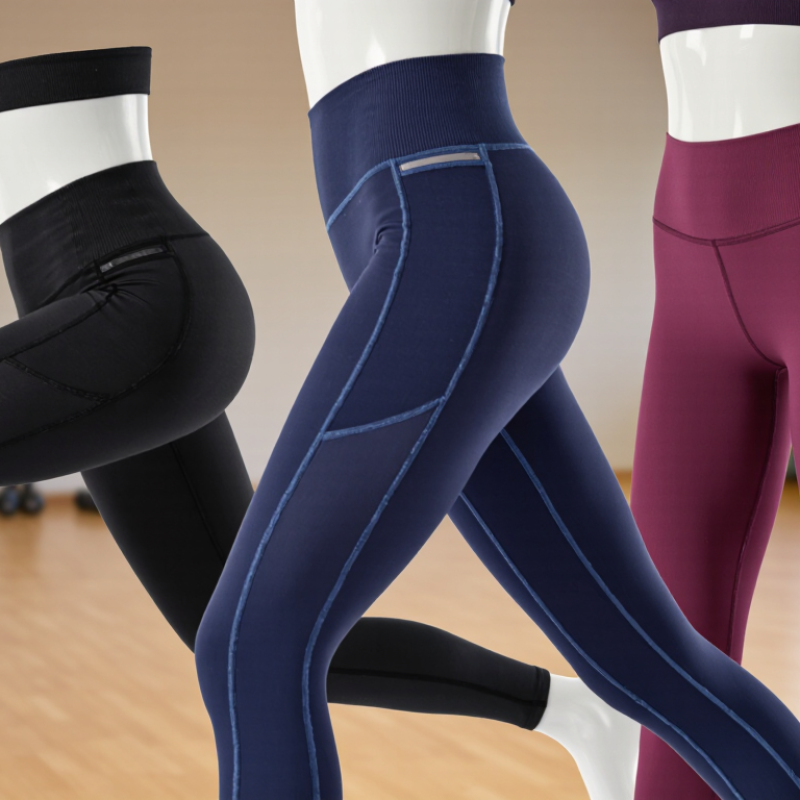
Top Private Label Fitness Leggings Manufacturers

Definition and Scope of Private Label Fitness Leggings Manufacturers

Private label fitness leggings manufacturers produce leggings that are sold under a customer’s own label. Their work can cover more than sewing fabric together. Depending on the supplier, services may include pattern development, fabric selection, size grading, sample production, cutting, stitching, and garment finishing. Some also assist with labels, packaging, and repeat production. The exact scope varies.

A practical assessment starts with the product itself. Ask whether the manufacturer can work with the intended fabric weight, stretch, opacity, and moisture-management needs. Request a sample and check its waistband recovery, seam comfort, and coverage during movement. Small details matter. A smooth-looking sample may still feel restrictive after a full workout.

The term “manufacturer” can describe different levels of involvement. One facility may handle development and production, while another may coordinate some steps through outside partners. Buyers should clarify who makes the samples, where production occurs, and how defects are reviewed. Written specifications help keep expectations clear, especially for measurements, color, stitching, and logo placement. Still, a specification sheet cannot replace testing. Leggings may fit differently across sizes, and fabric can behave differently after washing. It is worth checking those limits before approving a larger order.

How Private Label Fitness Leggings Are Designed and Produced

Top Private Label Fitness Leggings Manufacturers

Private-label fitness leggings begin with a use case, not a fabric swatch. Designers define the intended activity, coverage, compression, and price before drafting a pattern. A running tight may need a stable waistband and reflective details. A studio legging often prioritizes stretch and opacity during deep bends. Developers then select yarn, knit structure, and fabric weight. The choice affects drying time, feel, recovery, and cost. Textile Exchange’s Materials Market Report 2024 estimates that global fiber production reached 124 million tonnes in 2023, with polyester accounting for about 57 percent. That scale makes recycled-content options worth evaluating, but recycled claims still need supplier documentation.

Production usually moves through fabric testing, sample sewing, fit reviews, grading, and bulk cutting. Teams check stretch recovery, seam strength, color consistency, and opacity under movement. A sample can look excellent on a table and still slide at the waist during a squat. Fit testing across several body sizes can catch that problem early. Still, wear tests may not reflect every customer or climate. No single sample proves long-term durability.

Tips: Request fabric test results and a size-graded sample. Check seams after repeated washing, not just one fitting. Ask how the factory controls shade variation between dye lots. Leave time for revisions; rushing approval is tempting, but often costly.

Key Criteria for Evaluating Fitness Leggings Manufacturers

When evaluating private label fitness leggings manufacturers, start with fabric performance, not catalog photos. A reliable supplier should explain fiber content, stretch recovery, opacity, and moisture management. Request fabric swatches and test them under squats, running, and repeated washing. Check the seams. Flatlock stitching can reduce friction, while reinforced gussets may improve movement and durability. Waistbands deserve close attention too. They should stay secure without creating uncomfortable pressure.

Manufacturing experience becomes clearer during sampling. Ask whether the supplier develops patterns in-house and how fitting feedback is recorded. A serious partner should provide measurable size charts, sample revisions, quality inspection procedures, and realistic production timelines. Ask for proof. Certifications and test reports should be current, relevant, and traceable to the actual materials used. Transparent communication also matters when discussing minimum order quantities, color matching, labeling, and packaging details. I once approved a sample that looked excellent but twisted after washing. That mistake showed me why performance checks must happen before bulk production. Sustainability claims need the same care; vague language is not evidence. Review the factory’s material records, labor information, and quality controls where available. No supplier is perfect, and delays can still happen. The key is whether the manufacturer identifies risks early and responds with specific solutions. A written development process usually reveals more than polished sales language.

Key Criteria for Evaluating Fitness Leggings Manufacturers

Suggested evaluation weights for private-label sourcing. The percentages are a practical scoring framework, not survey results or an industry-wide benchmark.

Assess fabric performance, fit consistency, quality controls, production capacity, customization, compliance documentation, and communication. Adjust the weights to match your product requirements and sourcing priorities.

Leading Types of Private Label Fitness Leggings Manufacturers

Top Private Label Fitness Leggings Manufacturers

Leading types of private label fitness leggings manufacturers serve different product goals. Cut-and-sew manufacturers offer flexible patterns, printed panels, and detailed waistband construction. They suit brands developing distinctive training leggings. Seamless manufacturers use circular knitting machines to reduce seams and improve stretch. Their leggings often feel smooth during yoga, cycling, and studio workouts.

Performance-focused manufacturers specialize in fabric engineering. They may offer moisture-wicking yarns, four-way stretch, squat-proof coverage, and flatlock stitching. Sustainable manufacturers use recycled fibers or lower-impact dyeing methods. However, “sustainable” claims need evidence, such as material certificates and production records. Low minimum order manufacturers help smaller companies test colors and sizes. Their unit prices may be higher. That trade-off deserves careful review.

Tips: Request fabric swatches before approving samples. Test opacity under bright light and deep squats. Check recovery after repeated stretching. Ask about size grading, seam strength, packaging, and inspection procedures. A reliable manufacturer should provide clear measurements and realistic lead times. Do not judge quality from photographs alone. Sample approval can still miss problems after washing. I have found that a simple wear test reveals waistband rolling, pocket movement, and uncomfortable seams quickly. No supplier is perfect. Document each weakness before placing a larger order.

How Brands Choose the Right Manufacturing Partner

Choosing a private label fitness leggings manufacturer means testing more than a polished sample. Ask how the factory controls stretch, opacity, seam strength, and color consistency across production runs. Request fabric specifications and recent test results, not only a swatch. Then wash and wear samples yourself. Squats expose transparency; repeated washing reveals twisting and pilling.

Capacity matters, but so does traceability. Textile Exchange’s 2024 Materials Market Report estimated global fiber production at 124 million tonnes in 2023, with polyester representing about 57 percent. For leggings, that scale makes clear material documentation useful: ask suppliers to identify fiber content and explain how claims are verified. Also confirm minimum order quantities, sampling fees, lead times, and how defects are handled. Get the answers in writing.

Communication is a production capability. Share a technical pack with measurements, waistband construction, stitch details, and tolerances. Ask who checks goods before shipment and what happens when measurements fall outside spec. A small pilot order can show whether the team follows instructions under real conditions. It costs time. Still, no checklist catches everything, and a good sample is not proof of a reliable bulk run. Look for clear records, specific answers, and willingness to discuss what could go wrong.

Top Private Label Fitness Leggings Manufacturers - How Brands Choose the Right Manufacturing Partner
Selection factor What to verify Useful evidence or questions Why it matters
Leggings-specific experience Experience with stretch fabrics, fitted construction, and activewear seams. Ask for examples of comparable leggings and details about fabric, construction, and intended activity. Leggings require consistent fit, stretch recovery, seam strength, and opacity during movement.
Fabric performance Fiber composition, fabric weight, stretch and recovery, opacity, and intended use. Request fabric specifications and test swatches; ask how the fabric performs after washing and repeated stretching. Fabric choice affects comfort, coverage, durability, compression, and the garment’s feel.
Fit development and sizing Pattern development, size range, grading approach, and sample-fitting process. Confirm how fit comments are recorded, which sample sizes are available, and how approved changes are carried into production. A documented fit process helps reduce inconsistent sizing and costly revisions.
Construction and quality checks Stitch type, seam reinforcement, waistband construction, and in-process inspection procedures. Ask for the inspection checklist and how defects, measurements, and corrective actions are documented. Consistent construction can help prevent seam failure, twisting, and garment-to-garment variation.
Customization options Available choices for fabric, colors, waistband, pockets, labels, trims, and packaging. Request a written breakdown of available options, artwork requirements, and any minimums for custom materials. Clear option details help align the product with the brand’s design and budget before sampling.
Minimum order quantities Minimums by style, color, size, and custom fabric or trim. Ask for a written quotation showing how minimums change with stock materials versus custom materials. Minimums affect launch inventory, cash flow, and the feasibility of testing multiple designs.
Sampling and production timing Sample stages, approval requirements, production schedule, and shipment terms. Request estimated timelines for development and production, and ask which events can change those estimates. Timelines depend on approvals, material availability, order details, and shipping arrangements.
Compliance and traceability Factory audit information, applicable product requirements, and documentation for materials or claims. Ask for current, verifiable records relevant to the product, facility, destination market, and any sustainability claims. Requirements differ by market and claim; documentation helps support responsible sourcing and accurate product information.
Communication and order controls Named points of contact, written specifications, approval records, and change-control procedures. Confirm how revisions, production updates, inspection results, and delivery changes are communicated. Clear records reduce misunderstandings between product development and bulk production.
Total landed cost Unit price, sampling charges, custom-material costs, packaging, freight, duties, and payment terms. Compare itemized quotations using the same specifications and delivery assumptions. A low unit price alone may not reflect the complete cost of getting finished goods to market.
Evaluation framework: verify specifications, documentation, timelines, and commercial terms directly with each prospective manufacturing partner.

FAQS

How are private-label fitness leggings designed?

Design starts with the intended activity, coverage, compression, and target price. Running leggings may need a stable waistband and reflective details. Studio leggings usually need stretch and opacity during deep bends. The pattern follows the use case. Not the fabric swatch.

How does fabric choice affect leggings?

Yarn, knit structure, and fabric weight affect drying time, softness, recovery, and cost. A heavier fabric may feel secure but dry more slowly. A lighter fabric can feel cooler but show more during movement. Trade-offs remain.

Which fabric tests should manufacturers complete?

Request results for stretch recovery, seam strength, opacity, and color consistency. Check whether the fabric returns after repeated stretching. Inspect seams after several washes. One fitting proves very little.

Why is size-graded fitting important?

A sample can look perfect on a table and still slide during squats. Test several body sizes before bulk production. Check waistband pressure, ankle length, and coverage during movement. Real bodies vary.

How can buyers evaluate a manufacturing partner?

Ask for recent test results, fabric specifications, and a size-graded sample. Wash and wear the sample yourself. Squats can reveal transparency. Repeated washing may reveal twisting or pilling.

What production details should be confirmed in writing?

Confirm minimum order quantities, sampling fees, lead times, and defect procedures. Ask how dye-lot shade differences are controlled. Clarify who inspects goods before shipment. Verbal promises can become blurry.

How should material claims be checked?

Request fiber-content documents and evidence supporting recycled-content claims. Do not rely on a small fabric swatch or a general statement. Documentation should identify the material clearly. Claims still need checking.

Why is a pilot order useful?

A small pilot order shows whether the factory follows the technical pack during real production. Include measurements, stitch details, waistband construction, and tolerances. Review defects and measurement differences carefully. It costs time, but rushing costs more.

Conclusion

Private label fitness leggings manufacturers help apparel businesses develop leggings under their own brand identity, from fabric selection and pattern development to sampling, production, labeling, and packaging. Private label fitness leggings can be customized in terms of fit, compression, waistband design, colors, prints, moisture management, stretch, and durability. The production process typically includes design planning, technical specifications, prototype testing, material sourcing, quality inspection, and final manufacturing.

When evaluating manufacturers, brands should consider product quality, production capacity, customization options, communication, lead times, minimum order quantities, pricing, and compliance with applicable safety and labeling requirements. Manufacturers may range from small specialized workshops to large-scale production facilities, each offering different levels of flexibility and scalability. To choose the right manufacturing partner, brands should clearly define their target customers, budget, design expectations, and sales volume, then compare samples, factory capabilities, quality control procedures, and service reliability before making a long-term decision.

Ethan Caldwell

Ethan Caldwell

Ethan Caldwell is a dedicated marketing professional with a strong understanding of the company’s products, services, and evolving customer needs. Through thoughtful research and clear communication, he regularly contributes expert articles to the company’s professional blog, helping readers better......